Ultimate Parent Guide: Top 10 questions and answers for footballers (Soccer players)
Aug 16, 20251. How Do I Help My Child Get a Soccer Scholarship?
First, it starts with having a real plan. If your child’s goal is to play Division 1 soccer straight out of high school, they need to be playing in a top competitive environment—leagues like MLS Next give players a national platform to showcase their skills.
But here’s something most people don’t tell you: if your child isn’t already a high-profile recruit, waiting for schools to come to them won’t be enough. Your child—and you as their support system—will need to actively reach out to college coaches, send highlight videos, and invite them to games. There is a ton of untapped talent in the U.S., and many players get overlooked simply because no one saw them play.
Now, if your child isn’t getting the attention they deserve by senior year, going the JUCO route can be a smart move—especially at powerhouse programs like Mt. SAC, Cerritos, or El Camino. What many don’t realize is that JUCOs often compete against D1 and D2 schools during the off-season, giving players a valuable chance to prove they can compete at the next level.
In fact, transferring from a JUCO to a Division 1 school is often easier than signing straight out of high school—because now your child has proven experience, a college transcript, and real game footage against top-level opponents.
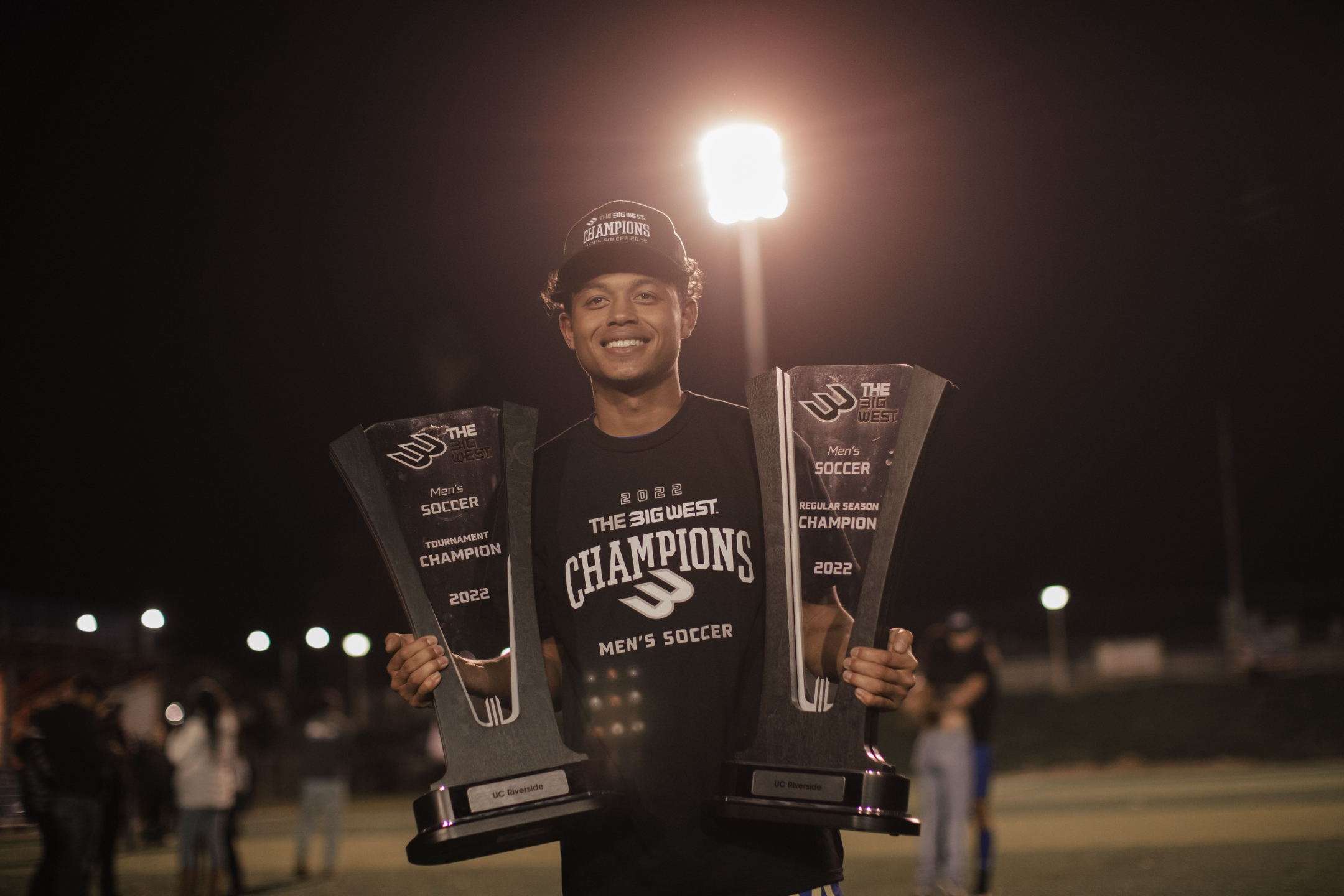
I’ve lived this journey. I’ve played at the Division 1 level, gone through trials with pro teams, and now help young players build their athletic foundation through elite strength and conditioning. My goal is to help you and your child make smart, strategic decisions that increase their chances of success—not just hope for it.
2. What’s the Difference Between Club, Academy, and High School Soccer?
This is one of the most common—and important—questions for parents with kids chasing college or professional soccer dreams.
Club soccer is what most players start with. It’s usually pay-to-play, meaning parents cover the cost for coaching, travel, and tournaments. The level of competition varies depending on the club and league, but it’s a solid option for development—especially if you’re with a reputable club that plays in high-exposure events.
Academy soccer, on the other hand, is where things get more selective. The most well-known academies—like those tied to MLS teams—are typically free, but they only take players they believe have serious potential. Some private academies may still charge tuition, but they often offer full-time training schedules, and top-level coaching.
High school soccer is a completely different experience. It’s great for school pride, fun, and social bonding—but when it comes to being recruited at the Division 1 level, high school soccer usually doesn’t provide the same exposure or development as club or academy environments. College coaches focus their scouting efforts on top club and academy events—not high school games.
As someone who’s lived through this system and experienced the highs and lows of it all, I help players and parents navigate these decisions with clarity and confidence.
3. How Can My Child Get Noticed by College or Pro Scouts?
As someone who’s gone through this journey—from youth soccer to Division 1 to professional trials—I’ve learned this truth: scouts are looking for players who can change the dynamic of a game.
That doesn’t always mean scoring goals or doing flashy tricks. It means consistently impacting the game in ways that contribute to the team’s success. So the first question your child should ask is: What am I great at? Then, double down on it.
If your child is lightning fast—show that pace. If they’re strong in the air—win every 50/50 ball. If they’re technically gifted—let that composure shine. Scouts want to see what makes a player stand out, not blend in.
Beyond performance, marketing matters. In today’s digital age, college coaches and pro scouts are spending more time on platforms like Instagram and YouTube. Posting highlights, training clips, and even showcasing good habits off the field can catch attention—especially when collaborating with trusted trainers or content creators who already have an audience.
The key is being intentional—about how you play, how you train, and how you present yourself. Talent is only part of the equation. Visibility and strategy are just as important.
That’s why I’m passionate about guiding players and families not just through the technical side, but the mental and strategic side of the game too. Because being seen—and being ready—is what makes the difference.
4. When Should My Child Start Strength and Conditioning Training?
One of the most common questions I get from parents is, “When should my child start strength and conditioning?” And as both a former Division 1 soccer player and a strength & conditioning coach, here’s what I’ll tell you:
The earlier they’re introduced to it in a fun, safe, and age-appropriate way, the better.
At younger ages (around 7–8 years old), it’s less about lifting weights and more about developing coordination, balance, mobility, and body awareness. Making training fun and engaging early on helps kids build a positive relationship with movement—which sets the foundation for long-term athletic development.
That said, the ideal window to begin structured strength and conditioning is usually around 13–14 years old. This is when young athletes are hitting key stages of growth and are better able to handle more focused training that improves speed, strength, injury prevention, and overall performance.
Unfortunately, many talented players start too late. They don’t realize how important physical development is until they’re already being outpaced or outmuscled—especially by athletes in MLS academies who have had structured training from a young age.
Starting early gives your child an edge—not just physically, but mentally. It helps them become confident in their body, move with intention, and unlock their full potential on the field.
This is exactly why I do what I do: to give young athletes the same tools and resources that elite players have—so they can truly compete and stand out.
5. How Many Hours a Week Should My Kid Train to Become Elite?
It’s a great question—and one I hear often from parents who want to support their child’s goals.
The truth is, there’s no one-size-fits-all answer. Becoming an elite athlete isn’t just about how many hours you train—it’s about how smart, intentional, and consistent that training is.
That said, I always start by asking:
-
How is your child feeling physically and mentally?
-
Are they getting enough rest and recovery?
-
How’s their nutrition, hydration, and overall self-care?
Pushing too hard without these foundations can lead to burnout or injury—which is the last thing you want.
But if your child is healthy, energized, and passionate about improving, a general recommendation would be:
1.5 hours a day, 6 days a week
This includes technical training, strength and conditioning, recovery work, and even time to watch film or study the game.
Balance is key. The goal is long-term development, not short-term overload. Quality over quantity will always win—especially when combined with proper support, coaching, and mindset training.
As a former Division 1 player who’s been through the ups and downs of elite training—and now as a strength & conditioning coach—this is exactly what I help young athletes navigate. It’s not just about working hard, it’s about working smart.
6. Is It Worth Joining an MLS Academy or Elite Club Team?
Absolutely—if your child’s goal is to play at the next level, this is one of the best pathways.
Joining an MLS Academy or a top-level elite club offers more than just competition—it provides a development structure that mirrors the professional level: top-tier coaching, strength & conditioning programs, video analysis, nutrition, and exposure to scouts.
Yes, it’s a bigger commitment in time, energy, and sometimes travel. But here’s the truth:
“High reward always requires high commitment.”
If your child is serious about playing Division 1 or becoming a professional, environments like these will accelerate their growth and increase their visibility—both are key to earning college scholarships and opportunities beyond.
And even if your child doesn’t end up in an MLS Academy right away, the goal should be to reach that level. I’ve seen firsthand how much it separates players in terms of physicality, tactical awareness, and overall readiness.
That’s why part of my mission as a coach is to help level the playing field for those who may not have immediate access to those resources.
Because talent is everywhere—but development and opportunity aren’t.
What Should My Child Eat Before and After Games?
Proper nutrition is a game-changer—literally. It fuels performance, supports recovery, and builds long-term healthy habits. As a strength and conditioning coach and former Division 1 athlete, I’ve learned that what you put in your body directly affects how you perform on the field.
Before Games
The goal is energy and endurance. Here’s what I recommend:
-
Night before: Prioritize complex carbs like pasta or rice, paired with a lean protein like grilled chicken or fish. This fuels the muscles for the next day.
-
Morning/afternoon games: Light protein (like eggs) and easy-to-digest carbs (like toast or fruit) work best. Think energy without the heaviness.
- Night games: Chicken and rice for lunch
After Games
Refuel. Rebuild. Recover.
-
After a tough match, it’s okay to enjoy a “cheat meal”—especially if your child gave it their all and you’re celebrating a win. Burned calories need replenishing.
-
That said, balance matters. Young athletes have some wiggle room, but as they grow and the level of play increases, nutrition becomes a key difference-maker.
How Do I Prevent Soccer Injuries in Young Athletes?
Injuries can be one of the most discouraging and emotionally draining experiences for any young athlete — both physically and mentally. As someone who has gone through it myself and now works closely with youth athletes, I know firsthand how much it can set a player back.
So how do we minimize that risk and help your child stay healthy and on the field?
1. Nutrition & Hydration
It starts with what goes into their body. Proper nutrition isn't just for performance — it's for recovery, joint health, muscle repair, and overall energy levels. A young athlete who fuels properly is already ahead of the game when it comes to preventing injuries.
2. Recovery & Load Management
Is your child getting enough sleep? Are they warming up properly, cooling down after sessions, stretching, and listening to their body? Overtraining is real, and recovery is just as important as training. This is where many young athletes fall behind.
3. Strength & Conditioning (S&C)
This is where I see the biggest difference. Strength and conditioning not only builds explosive speed, power, and agility — it’s also the #1 tool for injury prevention. I train a 15-year-old athlete who is naturally gifted with speed and power. But what he lacked was stability — the ability to absorb contact, hold balance, and control movement under pressure. That's where S&C made the biggest difference.
Training things like coordination, balance, core strength, and joint stability isn’t just about performance — it’s protection.The truth is, injuries will always be part of the game, but how we prepare the body can make all the difference.
Let’s build athletes who are not just talented, but durable, strong, and confident in their movements.
What’s the best position for my child to play?
The best position for your child to play is the one where they feel confident, natural, and make the most impact on the game. But here’s something most people won’t tell you: developing offensive qualities early on can give your child a major edge. At the highest levels, it’s more common to see attacking players convert into defenders than the other way around. Why? Because creativity, play-making, and goal-scoring instincts are much harder to teach later in development. That’s why I encourage young players to explore multiple positions—but with a strong focus on building technical and physical tools that serve them in attacking roles. Whether your child ends up as a forward, midfielder, or even an outside back, developing offensive awareness and skills will only make them more valuable to any team.
What are the chances of my child going pro in soccer?
The odds of your child going pro in soccer? Statistically, about 1%. But here’s the truth: that 1% still includes someone’s child—why not yours? What makes the difference is preparation, exposure, and connections. As someone who’s been through the system—played Division 1, trialed with pro teams, and trained within pro environments—I know firsthand what separates players who almost make it from those who do. One of the biggest game-changers? Relationships. In this sport, it’s not just what you know—it’s who you know. That’s why I go beyond just training. Through my strength and conditioning programs, I help players build the physical edge needed at the next level, and I guide them with insights, mentorship, and real connections in the soccer world. If your child has the drive, I can help them move closer to that 1%.
Stay connected with news and updates!
Join our mailing list to receive the latest news and updates from our team.
Don't worry, your information will not be shared.
We hate SPAM. We will never sell your information, for any reason.